In this article:
- What should I feed my senior dog?
- Is The Farmer’s Dog good for senior dogs?
- Which foods support healthy aging in dogs?
- When does a dog become a senior?
- How do dogs’ dietary needs change as they age?
- How many calories does a senior dog need?
- Do senior dogs need “senior diets”?
- How can health issues impact senior dogs’ nutritional needs?
- What should I feed my senior dog with muscle loss?
- What should I feed my senior dog for immune function?
- What should I feed my senior dog for healthy digestion?
- What should I feed my senior dog for weight loss or weight gain?
- What should I feed my senior dog with loss of appetite?
- What should I feed my senior dog with fewer or no teeth?
- What should I feed my dog for mobility?
- What should I feed my dog with kidney disease?
- What should I feed my senior dog for brain health?
This article was originally published in November of 2020, and has been updated.
What is the healthiest food for a senior dog? There’s no single answer, because every dog is different and ages differently. Their dietary needs will vary based on breed, health conditions, activity levels, and more.
“This variability means dietary needs often change across the senior life stage,” said Monica Tarantino, DVM, co-founder and CEO of the Senior Dog Veterinary Society.
While there’s no one-size-fits-all solution, the right knowledge and expert guidance can help you give your best friend the nutrition they need to live their best life through their golden years. Here’s what you should keep in mind.
What should I feed my senior dog?
Senior dogs should eat food that’s 100% complete and balanced for adult dogs. While some companies market “senior” formulas, the Association of American Feed Control Officials (AAFCO), the organization that sets nutritional standards for pet food, has no official nutrient profile for senior dogs.
Is The Farmer’s Dog good for senior dogs?
Our fresh food is made with fresh meats and vegetables that are gently cooked so they retain their vital nutrients—which can help support seniors’ immune-system function. Research shows that fresh, gently cooked food has greater nutrient digestibility than heavily processed kibble. And our own multiyear feeding study shows that our food is bioavailable—meaning your dog’s body is absorbing and using its nutrients.
Our food has some other benefits that are especially relevant to seniors:
• It’s clinically shown to support healthy aging on a cellular level, reducing formation of harmful compounds linked to age-related decline.
• It contains more moisture than dried, ultra-processed pellets—helping to keep your dog’s body hydrated and aiding digestion and elimination. Research shows that dogs eating fresh, human-grade food from The Farmer’s Dog take in more water than those eating dry kibble, even when kibble-fed dogs lap up water all day long.
• It contains high-quality protein sources that can help senior dogs maintain lean muscle mass.
• It’s soft, and easy to eat for dogs who may be missing teeth.
• It has been clinically shown to be more palatable than kibble (it tastes better), which is a huge plus for older dogs—who may become pickier eaters.
• Its high-quality omega-3 fatty acids can help support your senior dog’s joint, brain, heart, and coat health.
Some individual senior dogs require different amounts of protein, fat, and vitamins depending on their unique needs. If you have questions about your dog’s particular dietary needs, talk to your vet.
| Senior dog health concern | The Farmer’s Dog benefit |
| Trouble chewing | Our fresh food is easier for dogs to chew and swallow than dry food, making it a good choice for dogs with few or no teeth. |
| Dehydration | According to published, peer-reviewed research, fresh food from The Farmer’s Dog hydrates dogs better than kibble. |
| Weight management | Our food comes pre-portioned according to each dog’s needs to help them reach and maintain a healthy weight and body condition. |
| Picky eating | The Farmer’s Dog is clinically shown to be highly palatable, making it a strong choice for senior dogs who may have less of an appetite. |
| Aging | According to published, peer-reviewed research, fresh food from The Farmer’s Dog supports healthy aging at a cellular level. |
Which foods support healthy aging in dogs?
A fresh diet supports healthy aging in dogs because it has lower levels of harmful compounds called advanced glycation end products (AGEs), which are associated with aging and chronic disease.
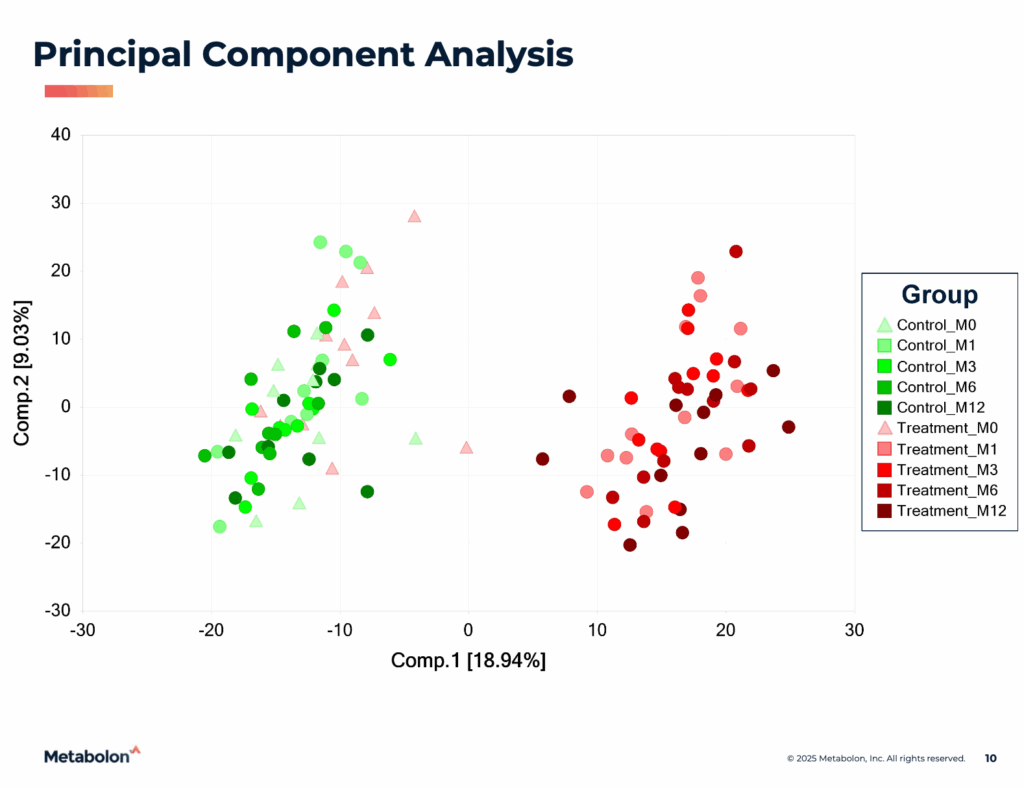
In 2025, The Farmer’s Dog conducted a yearlong metabolomic study led by Dr. Heather Huson, Associate Professor of Animal Sciences at Cornell University, with the help of our own Board-Certified Veterinary Nutritionists®. This first-of-its-kind study found that feeding dogs food from The Farmer’s Dog can meaningfully support healthier aging—reinforcing that minimally processed food has the potential to enhance metabolic function and overall health.
The researchers tested different diets in two groups of senior dogs to see how their metabolism changed. In the study, 22 healthy Alaskan sled dogs over age 12 were fed a specific dry-food diet for four months and then divided into two groups. One group continued eating kibble for the next 12 months, while the other group transitioned to fresh, minimally processed, human-grade food.
Blood samples from the dogs fed fresh food showed a rapid metabolic shift, improving after only a month—and these shifts were sustained through the rest of the year. Specifically, they had lower levels of AGEs, higher levels of antioxidant and protective metabolites, and lower levels of a biomarker for fatty acid synthesis, which indicated a more efficient metabolic profile compared to the kibble-fed group.
“Fresh, minimally processed food shifted the dogs’ metabolism towards an alternative metabolic profile in the aging dog with markers for improved muscle and neurological health,” said study co-author and Board-Certified Veterinary Nutritionist® Joseph Wakshlag, DVM, PhD., DACVSMR, DACVIM (Nutrition).
When does a dog become a senior?
Despite the folk wisdom that a dog’s age in “dog years” is simply their chronological age multiplied by seven, determining when a dog becomes a senior is more complex.
“There isn’t a single universal age when dogs become seniors,” said Dr. Tarantino.
According to the American Animal Hospital Association’s guidelines on life stages, the “senior” stage of life is from maturity to life expectancy (approximately the last 25% of expected lifespan). So if your dog’s breed is predicted to live to 12 to 14 years old, they’re a senior at about age 9 to 10 1/2.
No matter how old your dog is, remain vigilant for changes in their behavior or appearance. “We should never catch ourselves saying, ‘They’re just getting old’ because they are slowing down, or their coat has become less shiny, or they’ve gained weight,” said Susan G. Wynn, DVM, Diplomate of the American College of Veterinary Nutrition, one of the Board-Certified Veterinary Nutritionists® at The Farmer’s Dog. “These are all signs of disease—usually treatable disease—and many can be managed with diet changes.”
How do dogs’ dietary needs change as they age?
Age itself is not a reason to change a senior dog’s diet, but sometimes an aging dog will change in a way that means they should eat something different. “Diet changes should be based on need and risk for that dog, not age alone,” Dr. Tarantino said.
These changes may result from a combination of genetic, environmental, and lifestyle factors. For example, a dog living with health effects from a polluted environment, extreme exercise, and an ultra-processed diet may require an antioxidant-rich diet, while a dog suffering from allergies and arthritis may need more omega-3 fatty acids to quell inflammation.

How many calories does a senior dog need?
Since dogs’ caloric needs change based on many different factors, like activity level and breed, there’s no blanket suggestion for how many calories a senior dog needs.
Dr. Wynn has made calorie charts for her clients—but has done so in the context of that specific relationship, accounting for each dog’s particular needs.
How many calories a specific dog needs depends on factors like spay/neuter status, activity levels, body condition, and medical conditions. These elements all interact with each other, making the work of determining daily calories more complicated than a simplified, general table allows for. That’s why The Farmer’s Dog offers personalized plans for dogs’ individual needs.
Mobility problems caused by arthritis may reduce a dog’s calorie requirements and increase their risk for weight gain. “Now you have a dog that needs such extreme calorie restriction that a special diet is needed to prevent nutrient deficiencies,” said Dr. Wynn.
Another case could be a dog with chronic inflammatory disease that increases their calorie needs—but an overweight or underweight body condition means that simply feeding them more or less, or switching to a higher-calorie food, isn’t always the healthiest answer. For a dog facing this type of health challenge, Dr. Wynn said, “You either need a vet nutritionist to estimate their energy requirement, or a general practitioner can do an evaluation to look at the current total calorie intake and adjust from there.”
Do senior dogs need “senior diets”?
While dogs’ dietary needs may change with age, don’t rush to get them on a catchall “senior diet.” As noted above, AAFCO has no official nutrient profile for senior dogs. So a food formulated for adults or suitable for all stages of life, as is the case for multiple recipes from The Farmer’s Dog, can be a great choice for a senior dog.
Monitor your dog’s health, appetite, and energy in close consultation with your veterinarian, and proactively make nutritional choices based on their needs as they change.
While there’s officially no such thing as a senior diet, senior dogs can still benefit from specific diets tailored to their health needs. These needs often stem from health issues that arise as a consequence of aging.

How can health issues impact senior dogs’ nutritional needs?
Certain senior-specific health issues may impact their dietary needs.
What should I feed my senior dog with muscle loss?
Between increased muscle breakdown and reduced physical activity, loss of strength and muscle mass is common in senior dogs.
Because of this, healthy senior dogs may benefit from higher protein intake. The high-quality protein sources used in The Farmer’s Dog recipes can help senior dogs maintain lean muscle mass.
What should I feed my senior dog for immune function?
According to Dr. Wynn, the geriatric immune system is less able to respond to infections. This can make senior dogs more susceptible to illness.
On the other hand, other parts of seniors’ immune systems may become overactive, which can result in increased inflammation. Indeed, chronic inflammation related to aging is known as “inflammaging.” The vegetables in food from The Farmer’s Dog provide dogs with an array of key vitamins and minerals, including antioxidants that help promote a healthy immune system.
What should I feed my senior dog for healthy digestion?
Gastrointestinal motility, or the way the digestive tract moves food along, “tends to slow with age,” Dr. Tarantino said.
Senior dogs may start showing signs of a sensitive stomach—and may experience constipation or, on the other end of the spectrum, loose stools. Some diets are higher in fiber to address these issues. However, many of these diets include a higher proportion of processed carbs.
This means it’s especially important to feed your senior dog a highly digestible food that provides nutrients their body can readily absorb. Studies have shown that fresh, gently cooked food has higher nutrient digestibility than extruded food (aka kibble), which means it’s easier for your dog’s body to actually use the nutrients in the food.
What should I feed my senior dog for weight loss or weight gain?
As with senior humans, it’s common for senior dogs to gain weight due to a reduced metabolic rate and less physical activity.
But some older dogs may also be prone to losing weight. Some dogs become more frail due to sarcopenia. The high-quality protein sources used in The Farmer’s Dog recipes can help dogs maintain lean muscle mass as they age.
If you have a senior dog who is maintaining body mass and is still relatively active, they likely don’t need fewer calories. But if their body mass and activity level drop, you may need to reduce their portions. Work with your vet to assess your dog’s weight and body condition (you can find a guide to assessing body condition here), as well as their muscle condition score to judge muscle loss. If your dog is on a fresh food plan, it’s easy to increase or decrease daily calories based on how they’re changing over time.
What should I feed my senior dog with loss of appetite?
Some dogs lose their zest for eating as they age. This can be caused by an underlying medical condition, mouth pain, a loss of smell and taste, or a number of other factors. If you’ve noticed a decrease in your dog’s appetite, be sure to flag it with your veterinarian to rule out any bigger problems.
The Farmer’s Dog is clinically shown to be highly palatable—meaning that dogs love to eat it—and can be a good choice for dogs who seem like picky eaters.
What should I feed my senior dog with fewer or no teeth?
The Farmer’s Dog is a good choice for senior dogs who have lost some or all of their teeth because it’s soft and easy to swallow.
What should I feed my dog for mobility?
About 20% of adult dogs and 80% of dogs over age 8 will show signs of arthritis in one or more joints.
Dogs usually suffer from secondary arthritis, meaning that it results from an abnormality of the joint or another issue associated with it. It’s a condition that typically starts to develop when dogs are younger—but the signs show up more dramatically when they are older.
Overweight dogs have a much greater chance of developing joint disorders. Multiple studies have shown the link between being overweight and the increased risk and severity of arthritis. And dogs don’t have to be visibly round to be overweight—studies have shown that even a 6% reduction in weight can reduce signs of arthritis.
Putting your dog on a personalized plan like the ones offered by The Farmer’s Dog takes the guesswork out of portioning and makes it easy to keep them in a healthy body condition. Our customer care team will work with you to make sure they get the right amount of food as their calorie needs change.
What should I feed my dog with kidney disease?
Chronic kidney disease, also called chronic renal failure, involves a reduction in kidney function over time, diminishing the body’s ability to eliminate waste and toxins. Though it can occur in pets at any time, the most common risk factor for canine kidney disease is age.
Dogs with kidney disease require a special diet. “The right diet actually slows the progress of the disease,” Dr. Wynn said.
If your dog has kidney disease, talk to your veterinarian about what food is right for them.
What should I feed my senior dog for brain health?
Changes in dogs’ brain function may show up as memory loss, decreased ability to learn, disorientation, and/or a shift in demeanor.
Providing plenty of physical and mental stimulation and socialization is vital throughout a dog’s life. A high-quality diet with antioxidants and healthy fats to support brain function is also important.
You can set your adult dog up for success before they reach their senior years by keeping them at a lean, healthy weight, and providing appropriate exercise and mental stimulation. As your dog ages, plan regular checkups with your vet that include senior-specific tests like urinalysis to keep tabs on kidney and liver health. And, throughout their life, feed them real, complete and balanced food.
Frequently asked questions
What is the best senior dog food?
There is no single best senior dog food, but The Farmer’s Dog has recipes suitable for dogs in all stages of life, and our fresh food has been shown to support healthy aging at a cellular level.
Is fresh food better than kibble for senior dogs?
Fresh food from The Farmer’s Dog offers higher levels of moisture than kibble and has been shown to support healthy aging at a cellular level. It’s also highly palatable and digestible.
How much protein does my senior dog need?
This answer depends on many factors, including your dog’s breed, age, mobility, activity level, and any health conditions they may be living with. The whole, minimally processed, human-grade meats in The Farmer’s Dog food are high-quality sources of protein.
How do I transition a senior dog to The Farmer’s Dog?
Start by feeding them a little bit of The Farmer’s Dog at a time mixed in with their old food. Every day over the course of a week, add a little bit more of The Farmer’s Dog and less of their old food, until 100% of their food is The Farmer’s Dog.
What do I feed a dog with arthritis?
The best thing to feed your dog with arthritis is a diet that keeps them in a lean body condition. Excess weight can worsen existing arthritis or make its incidence more likely. The Farmer’s Dog pre-portioned recipes make it easier to manage dogs’ weight and keep them in a healthy body condition.
What should I feed a dog with joint pain?
The best thing to feed your dog with joint pain is a diet that keeps them in a lean body condition. Excess weight can worsen existing joint pain or make its incidence more likely. The Farmer’s Dog pre-portioned recipes keep dogs at a healthy body condition and make weight management easy.
Do senior dogs need to eat senior dog foods?
Not necessarily. There are no AAFCO-designated diets for senior dogs. The best nutrient profile of the food a senior dog should eat depends on their unique characteristics, including breed, sex, activity level, spay/neuter status, and health conditions.
How many calories should a senior dog eat?
There’s no universal answer to how many calories a senior dog should eat. The answer for your dog depends on traits such as age, weight, breed, body condition score, mobility, physical activity, and health conditions.
The post What’s the Best Food for Senior Dogs? appeared first on The Farmer’s Dog - Digest.
Comments
Post a Comment