In this article:
- Why is playtime so important for dogs?
- How much playtime do dogs want?
- What kinds of play do dogs like most?
- Should I play with my dog every day?
Whether they’re prancing through a grassy field, wrestling with a pal, or bolting after a tennis ball during a rousing game of fetch, dogs just want to have fun. Most of us probably fantasized about the time we’d spend playing with our dogs when we first picked them out, but sometimes the human world gets in the way. Work deadlines, family obligations, and even exciting TV shows can leave us distracted while our dogs yearn for our attention. Of course you’re setting aside time to play with the family dog—but how much is enough?
We know that dogs benefit from socializing with other dogs, and according to Dr. Zachary Silver, PhD, professor of psychology and director of the Canine Intelligence Lab at Occidental College, “Socializing with humans is good for dogs, too.” As for what kinds of play are most important, he recommended a tailored approach based on your dog’s personal preferences. “I think variety is key,” he said, “and listening to what signals your dog sends you is important as well.”
Different dogs have different needs, and there’s no single recommendation for the amount of play your dog should be getting. That said, if your dog is feeling shortchanged, there will be signs. They might begin acting out or destroying things.
A well-stimulated pooch is a happy pooch, so here’s a rundown of why playtime matters for dogs, what types of activities dogs like, and how to tell exactly how often your best friend needs to play to be their best self.
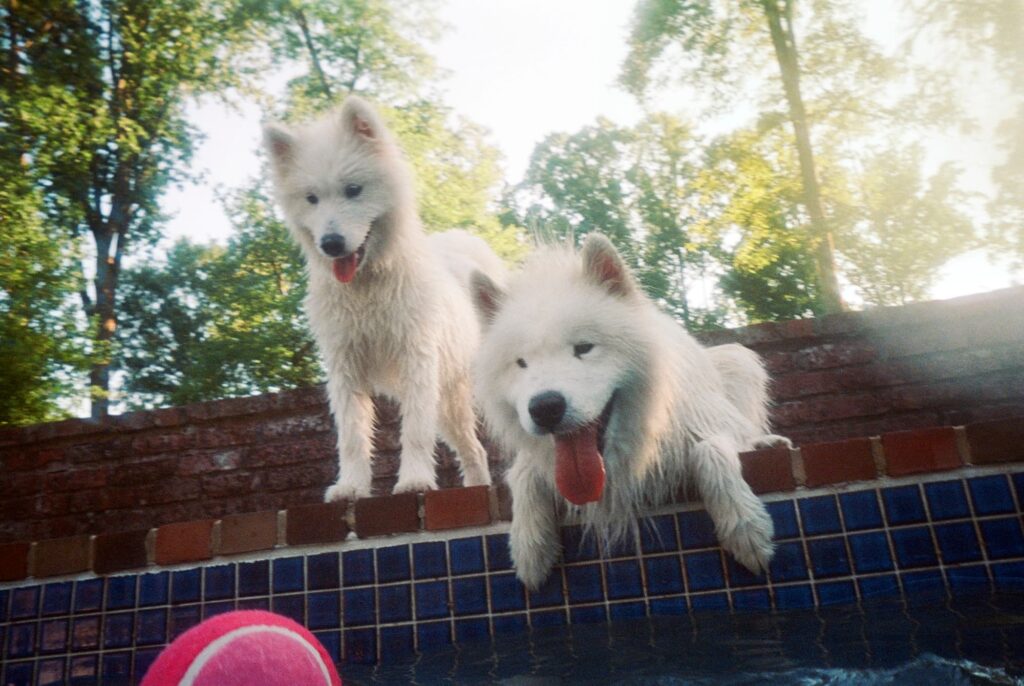
Why is play important for dogs?
It’s not just dogs; play is a crucial behavior for all mammals, including humans.
According to Dr. Stefanie Schwartz, DVM, MSc, DACVB, board-certified veterinary behaviorist and owner of Pet Behavior Medicine, play helps young animals coordinate their movement, develop stronger muscles, and to get to know everyone in their social group—whether that’s a pack of dogs or a gaggle of kids on the playground. As dogs get older, Dr. Schwartz added, playfulness “persists as a way to interact, stay in shape, and release anxiety.”
Some dogs are more stoic than others, and dogs’ playfulness can ebb and flow over time. Still, Dr. Schwartz said, if a dog suddenly seems less interested in play than they once were, that’s a sign to check in with a vet. “Lack of playfulness is a very important marker of mental health and physical health,” Dr. Schwartz said. “… If they’ve been playful, and then the next day they’re just lying [around and] not playing,” she said, it’s possible there’s a medical reason. They should see a vet.
Socialization
Dogs are social creatures. Just ask the hordes of hounds who love to party at the dog park. Man’s best friend can actually bond with all sorts of species and often develops new skills through social learning. For example, puppies often use playtime to fine-tune their social skills and avoid making any major faux pas in real life situations.
“You can make social mistakes during play and get away with it in that forum,” Dr. Schwartz explained. This helps dogs learn things like how hard they can push another dog, how loud they can be, and how hard they can nip without triggering an aggressive response.
Exercise
We already know how important exercise is for dogs, and playtime is an easy way to squeeze more activity into their everyday lives. Whether it’s a game of fetch or a tussle in the backyard with another dog, more movement helps lower your dog’s risk of obesity, joint problems, heart and respiratory disease, and more.
Mental stimulation
Playtime doesn’t just release energy; it also helps relieve anxiety.
According to Dr. Silver, many stereotypical “bad dog” behaviors trace back to a lack of stimulation. That can include excessive barking, getting into garbage, destroying things, or getting into conflicts with other animals. Play isn’t a “magic solution,” Dr. Silver said, “but it definitely is a factor that pushes in the opposite direction.” Enrichment is good for dogs’ mental health, and can even help treat canine compulsive disorder (CCD).
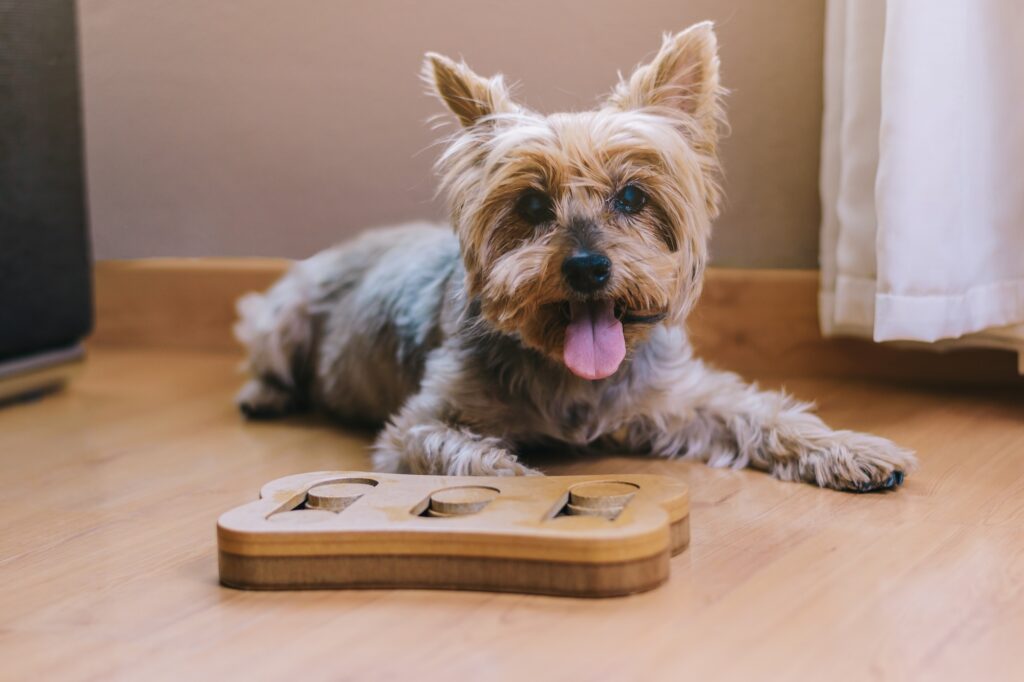
How much playtime do dogs want?
This is less about time and more about satisfaction. Does your dog seem happy and relaxed, or are they still raring to go? Their behavior should tell you everything you need to know.
“Usually, dogs will actually have a way of signaling when they feel like they’ve had that need met,” Dr. Silver said. If you’re at the dog park, for example, they might stop romping around with the other dogs. If you’re playing fetch, they might stop chasing the ball. These are typically signs they’ve had their fill. It can also help to watch your dog’s behavior after they stop playing.
“Are they curling up into a ball and taking a nap?” Dr. Silver said. “That probably means they had a sufficient amount of playtime, whereas if they’re continuing to do things like getting into trouble around the house, that is usually indicative of an absence of that adequate mental or physical stimulation.”
What kinds of play do dogs like most?
Different dogs have different preferences when it comes to play styles, and these can change depending on their age and their playmates.
To find out what your dog likes most, give them the chance to engage in different kinds of play. Monitor which seem to give them the most joy in the moment, and which leave them seeming the most relaxed afterward. “That can be a really strong cue of what’s actually working,” Dr. Silver said.
Social play with compatible playmates
Not every dog likes playing with other dogs, but for those that do, there are specific benefits to this kind of socialization—especially when playmates are compatible in age, size, and play style. As Dr. Schwartz put it, “A Great Dane can’t play with a Chihuahua the way they can play with another Great Dane, or some other big dog.”
Dr. Schwartz divides the most common social play styles into three camps: “Hockey players” like rougher activities, like wrestling. “Ballerinas” like to prance around and exchange play bows. And “sprinters” love nothing more than the thrill of chasing and being chased. Ballerinas might feel overwhelmed by hockey players, and sprinters might be left underwhelmed when faced with a dog who doesn’t share their passion for running laps.
Solo play
Some dogs may prefer playing alone to doing so with others.
These dogs might enjoy running around the yard by themselves, rolling around in the grass, playing with toys, or even throwing a ball into the air for themselves. This preference may be due to a lack of early socialization,a history of trauma, or simply a difference in personality. If your dog is more of a loner, there’s nothing wrong with them—don’t force them into situations that they find uncomfortable, and talk to a trusted trainer or behaviorist if you have questions about how to manage their needs.
Play with humans
Some dogs prefer spending time with their humans over spending time with other dogs. This is fine, Dr. Schwartz said, as long as your dog doesn’t start seeing you as one of the dogs. She warned that roughhousing could have unintended consequences
“If we allow that,” she said, “then it’s a precedent that is introduced during play and then becomes permissible in other situations that are not playful.”. A simple rule of thumb: focus on “games that direct the dog’s motion and mouth away from the body.”
Should I play with my dog every day?
The best thing you can do for your dog is to keep playtime reliable. Stay engaged, pay attention, and make it a priority to find the time for fun—even when it’s inconvenient.
“Everybody is so tuned out,” Dr. Schwartz said. “They’re on their cell phones, they’re on their laptops, they’re watching TV, they’re not looking at the dog. The dog’s trying to get attention, and then they’ll start barking, and the owner will get annoyed and shut them down.” You can avoid this dynamic by setting aside a designated time each day to drop everything and play.
The obligations of everyday life can make it feel challenging to carve out quality time—but whenever things get busy, it’s worth remembering those dreams you had of playing with your dog when you first brought them home. For all the love our dogs give us, playtime is one of the most rewarding ways to love them back in their own language.
The post How Much Play Do Dogs Really Need? appeared first on The Farmer’s Dog - Digest.
Comments
Post a Comment