In this article:
- Why are so many senior dogs available for adoption?
- When is a senior dog the right choice for a senior person to adopt?
- What qualities should a senior person look for in their dog?
- What are the barriers to adoption for senior dogs?
- What questions should I ask myself before adopting a senior dog?
A woman in her eighties reached out to the Rhode Island SPCA not long ago because she was looking for a dog. She’d been turned away from other shelters, but at the RISPCA, she found a match: Daisy, a ten-year-old Jack Russell terrier. Within two weeks, they were home together.
“[The woman] thanked us,” said Megan Yaffe, who manages the RISPCA’s senior-for-senior program, which waives adoption fees. “She said she was just happy that we acknowledged her as a potential adopter, which she felt she was not getting from a lot of places.”
The woman later made a donation to the shelter—the amount that would have been her adoption fee, had the program charged one.
RISPCA is among a growing number of shelters and rescues across the country that have launched “senior for senior” programs. The premise is simple: match older dogs (and sometimes cats) with older adopters, and assist the adopters with veterinary care, transportation, and/or specialty items like beds or bowls that can benefit the older dogs. The idea is that seniors are not alone—neither the senior dogs, nor the senior citizens. They have each other, along with the continued support of the organizations.
Here’s why the programs are so important, and how they work.
Why are so many senior dogs available for adoption?
Tamy Reider is the president of Healthcare for Homeless Animals (HHA), a nonprofit operating within the Los Angeles County shelter system. She runs a program called Forever Young Senior Wellness Exam, and has seen countless senior dogs lose their homes over the years. The causes are usually the same: a health crisis. A housing change. An owner whose changing circumstances mean they can no longer care for an animal.
One dog HHA recently flagged for their senior care program is Quinn, a 14-year-old terrier, blind and mostly deaf, who arrived at the shelter weeks ago. When Reider pulled her intake records, she discovered that Quinn had first come through that same shelter as a nursing puppy in 2014. She’d spent her whole life with one person, a man in an assisted living facility who ultimately decided that the risk of someone tripping over her was too great.
“It is heartbreaking,” Reider said. “And it’s not a one-time occurrence.”
Once they’re in the shelter, it’s more difficult to get seniors out. Senior dogs—those who have reached 75% of their breed’s life expectancy—are among the most vulnerable animals in the shelter system. One 2021 study found that older dogs made up a disproportionate share of those staying in shelters long-term. When they do end up in a shelter, anecdotally they stay longer than their younger counterparts before finding a home.
Another reality that rarely gets discussed is that when a senior dog goes unadopted at many public shelters, age and medical issues can be grounds for euthanasia. So saving these dogs makes an enormous impact. As Reider’s colleague Tina Hobbes put it, when an organization like HHA helps to get a senior adopted, often they literally get extra years in their life.
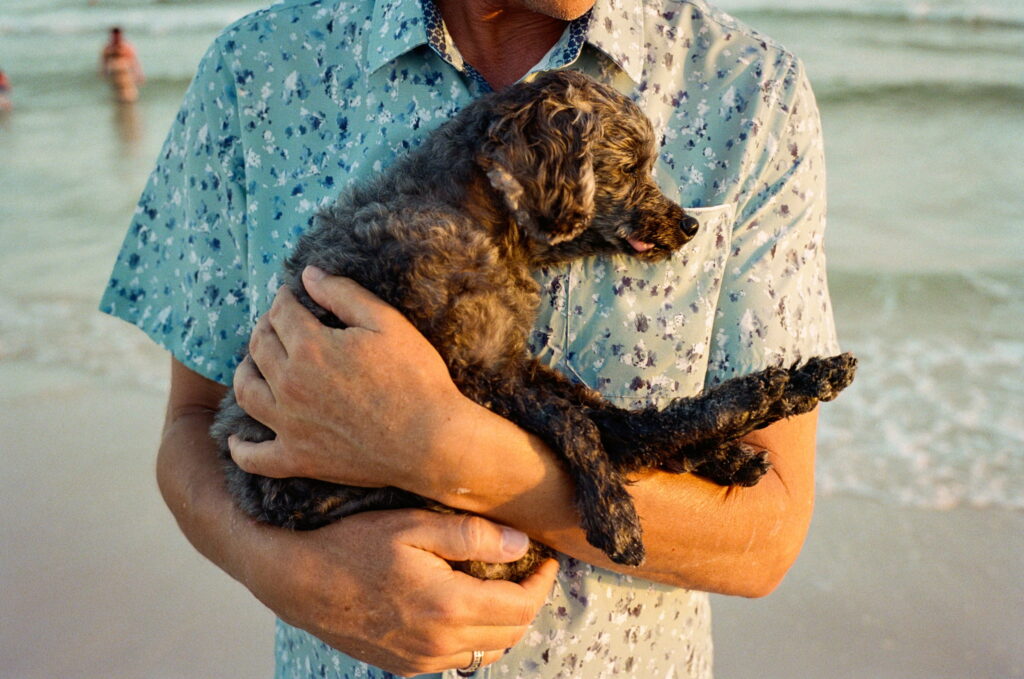
How dogs can help seniors
According to the National Council on Aging, pet ownership saves the US healthcare system an estimated $22.7 billion per year through fewer doctor visits, lower obesity rates, and improved mental health outcomes.
A survey conducted by the Human Animal Bond Research Institute found that 85% of respondents believe companion animals can reduce loneliness—itself a public health concern that has received increasing attention in recent years. Yaffe said that many of the older people who come to RISPCA looking for a dog have recently experienced a big change in their lives. “We see a lot of senior adopters that have lost their human partner in life, and find themselves with an empty home,” Yaffe added.
Research has likewise consistently linked pet ownership among older adults to lower blood pressure and reduced risk of cardiovascular disease. Reider, whose day job is as a physical therapist, said, “You wouldn’t believe how many times I encourage patients to just get up every two hours and walk to the door and back. And a dog gives you a reason to do that.”
Matching seniors beyond their age
Part of what makes senior dogs a natural match for older adopters is their behavioral profile. They’ve been through the chaos of puppyhood, adolescence, and early adulthood. Kari Whitman, founder of Ace of Hearts—which started its senior-for-senior program twenty years ago—says that what’s left, in many cases, is a calm, settled animal who has “been around, so to speak.”
“It’s kind of like getting through your teenage years and your twenties and going, ‘Oh, OK, this is what life’s about,'” Whitman said. But it can take a moment to get that message across to potential adopters. “I can’t tell you how many kids call for their parents,” Whitman added, “‘My mom’s 78, but she wants a puppy.’ And I have to explain: ‘The dog can knock them over on a walk. The puppy will be up all night.’ And then I go over to the senior dogs, and I say, ‘These dogs, a lot of times, come completely house-trained. They just want to lay on the couch with you.’”
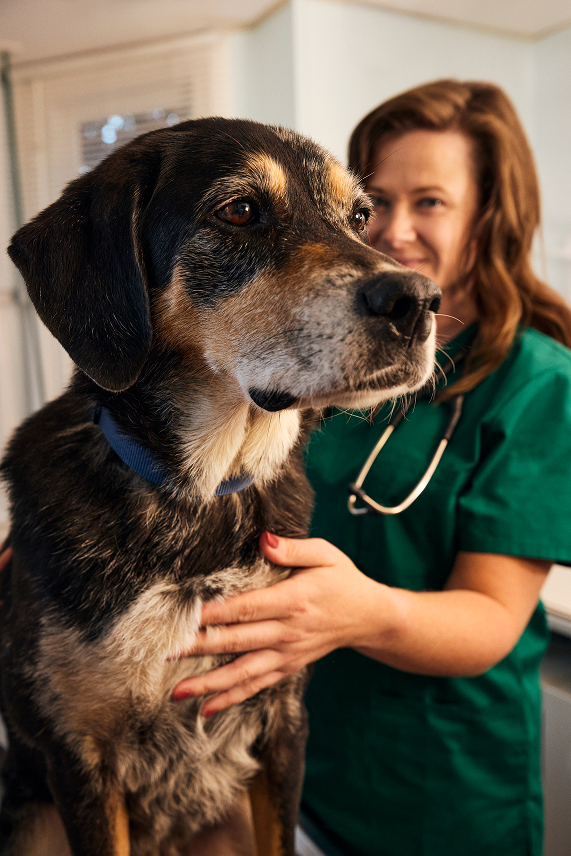
One thing advocates for senior-dog adoption return to again and again is how much of the hard work is already done. As noted above, senior dogs surrendered to shelters most commonly come from homes. They were someone’s companion animal, often for many years, before a life change made it impossible to keep them. An owner went into assisted living. The landlord didn’t allow pets. A spouse died. A new baby arrived.
The result is a dog who knows what a home feels like—and who is often house-trained, likely leash-trained, and accustomed to the rhythms of human life. This can be a huge boon for anyone who is interested in incorporating a dog into their lives, but especially senior people.
And senior dogs, Hobbes said, are well-suited to the kind of quiet, structured life that many older people either have or prefer. “Predictable routines, no loud parties, not a lot of people coming in and out—the stability you get with a senior human is exactly what a senior dog needs, too. They already know all their basic behaviors. Their sits, their downs. They’re potty-trained.”
Hobbes frames it in terms she picked up from a trainer years ago: people should adopt dogs who have slightly less energy than they do. For older adults—especially those living alone, dealing with mobility limitations, or simply past the stage of life that involves dog parks and long hikes—the math almost always points toward a senior dog.
“Do you really want to have a little toddler to take care of?” Reider added. “Because that’s what a puppy is. A little toddler with sharp teeth. Senior [people] many times will have more fragile skin, or they can fall a lot more easily.”
Both Reider and Hobbes emphasized that while these things are all true, matching an older dog with a young family often works great as well. It’s about finding the right fit for all involved.
At the RISPCA, Yaffe and her colleague Stephanie Van Patten take a careful approach to matching that shows that sometimes age is less applicable than other qualities.
“Just because a dog is 9 or 10 years old doesn’t mean they’re not willing to go for a couple-mile walk,” Yaffe said. “And if [the prospective human adopter] is into fitness and that’s part of their daily routine, then that would make a great match. If they’re into reading and cuddling up and taking snoozes—we have that for you, too.”
So why is it so hard to get senior dogs adopted?
The need for homes for senior dogs is huge, but so are the barriers. And if one thing keeps senior dogs from finding homes, it’s medical uncertainty. Potential adopters worry about shorter life expectancy, higher veterinary costs, and the heartbreak of loving a dog who may not be with you for long. The case that senior-for-senior programs make is that these concerns look very different when the human adopter is also in their later years.
And HHA has built its entire practice to make caring for these animals easier.
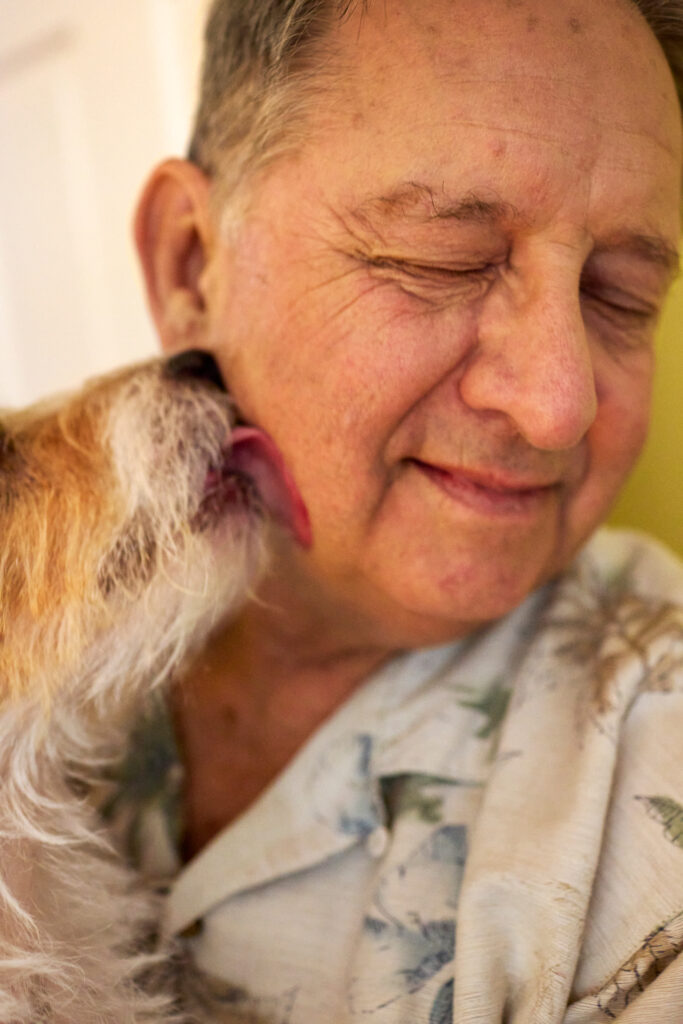
HHA operates as a nonprofit partner within the LA County shelter system, identifying dogs that need care and funding comprehensive veterinary workups before they’re ever put up for adoption. This means every senior dog they flag gets sent to a private vet for a full physical, which includes blood work, urinalysis, X-rays, a dental evaluation, and any follow-up testing the vet recommends. If the dog needs a dental cleaning, HHA covers it. If there’s a lump that needs removal, they cover it.
The result is something rare in the shelter world: a senior dog who arrives at adoption with a complete medical history, a treatment record, a list of current medications, and a vet who already knows the case. The adopter doesn’t inherit an unknown. They inherit a known, and that can change the calculus.
“Many people come to adopt our seniors because they know what we do and they know they can continue the care that we started,” Hobbes said. “We give them the medical records, the vet’s name and contact, the medication list. Take it to your own vet or continue with ours—either way, they have knowledge, and knowledge is huge.”
HHA doesn’t have a specific senior-for-senior program, but RISPCA created theirs with a similar ethos: lower the barriers, stay involved, and never leave an older adopter and their older dog without support.
A recent grant has allowed RISPCA to waive their adoption fee entirely for qualifying pairs, provide starter items (orthopedic beds and raised bowls for dogs, for example), and offer up to $1,000 in veterinary reimbursement over the first year for those who need it.
Ace of Hearts has been running its program for two decades, adopting out roughly five senior dogs per month, an estimate that suggests well over a thousand placements since the program began. Whitman, too, commits to a relationship after adoption. Senior adopters receive discounted fees and access to a mobile veterinarian who does home visits. If a senior human gets sick, has a health crisis, or faces financial hardship, Ace of Hearts steps in.
“We will help set up walkers for them,” Whitman said. “If that means helping a little with vet care, if that means helping with dog walkers and walks, we do it. We tell them in the contract: something comes up, you get sick, we’re going to send walkers. You have a financial problem, we’re going to send food. We don’t offer that in any other program.”
A hard question
All three programs also address the fear that could stop many older adopters before they even walk through the door: what happens to the dog if something happens to me? Hobbes raises it with every senior adopter. “None of us lives forever, right? You have to have a plan for what’s going to happen to the dog.” She described an 82-year-old woman who came in to adopt a seven-year-old, who impressed her immediately by volunteering, unprompted, that she had already arranged for someone to take the dog if needed. “It’s so refreshing to see that,” Reider said.
If a senior dog outlives its senior person, Ace of Hearts will always take the dog back.
To be clear, the concern about what happens to the dog if something happens to you is one every adopter should sit with. Having a plan is just smart (and the basis for at least one film starring Naomi Watts). And the deeper truth is that the benefits of a senior dog aren’t reserved for senior people. They’re available to anyone willing to look past some gray hairs on the muzzle. What these senior-for-senior programs are really asking us to do is reconsider what we think we want, and realize what we need and have to give. Once we do that, it benefits everyone involved—especially these deserving dogs.
The post Why Senior Dogs Can Be Great for Senior People appeared first on The Farmer’s Dog - Digest.
Comments
Post a Comment